- Hablamos Español

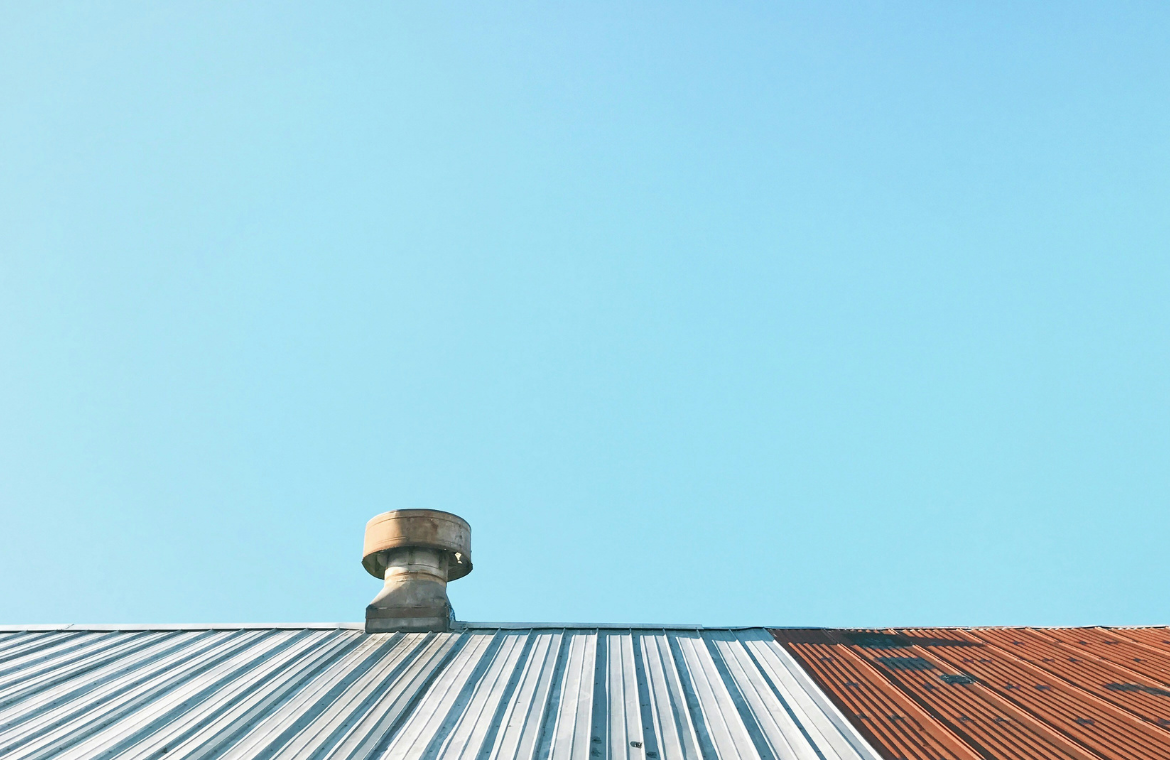
Best Reasons to Install Metal Roof Deck
Choosing the right roofing system is an important decision for any commercial, industrial, or institutional building. A roof needs to do much more than simply keep rain out. It must support the structure, withstand changing weather conditions, accommodate insulation and roofing materials, and provide dependable performance for years to come.
One option that continues to be widely used in modern construction is metal roof deck. Metal decking provides a strong, efficient base for many different roofing assemblies and can be used in warehouses, office buildings, schools, manufacturing facilities, retail properties, and numerous other types of structures.
Understanding the advantages of metal decking can help building owners, contractors, architects, and developers determine whether it is the right choice for a particular project.
1. Metal Roof Deck Provides Structural Strength
One of the primary reasons to install metal roof deck is its strength. Roof decking forms an important part of the roofing system because it helps support roofing materials while transferring loads to the building’s structural framing.
Metal decking is manufactured to provide dependable structural performance without requiring an unnecessarily heavy roofing system. Depending on the design of the building, different deck profiles, gauges, and configurations can be selected to accommodate specific structural requirements.
This combination of strength and relatively low weight makes metal decking useful for both new construction and certain renovation projects.
2. Metal Decking Is Lightweight
While strength is important, excessive weight can create additional demands on a building’s supporting structure. Metal roof decking provides a favorable balance between structural performance and weight.
Because metal decking is relatively lightweight compared with some alternative structural materials, it may help reduce the overall dead load placed on the building.
A lighter roofing structure can also make materials easier to transport and position during construction.
3. Installation Can Be Efficient
Construction schedules matter. Delays can increase labor expenses, affect other contractors, and push back the date when a building can be occupied or placed into service.
Metal roof decking can often be installed efficiently because panels cover substantial areas of the roof structure while remaining manageable for experienced installation crews.
Once the deck is properly installed and secured, other components of the roofing assembly can be added according to the project specifications.
The efficiency of metal decking is one reason it is commonly found in large commercial and industrial construction projects.
4. Roof Decks Work With Many Roofing Systems
Buildings have different roofing requirements depending on their purpose, climate, insulation needs, and architectural design. Fortunately, roof decks made from steel can serve as the structural base for several types of roofing assemblies.
Depending on the building design, the finished roof system may include insulation, membranes, cover boards, vapor control components, or other materials above the deck.
This versatility allows metal decking to be incorporated into a wide range of building designs without limiting the property owner to a single roofing solution.
5. Metal Roof Deck Offers Long Term Durability
Durability is another important consideration when selecting building materials. Metal roof deck is designed for structural use and can provide dependable service when properly specified, installed, and protected.
Steel decking may also be manufactured with coatings or finishes intended to provide additional protection for particular environments.
As with any building material, long term performance depends on several factors, including:
- Proper product selection
- Correct installation
- Appropriate moisture management
- Regular roof inspections
- Prompt repair of leaks or damaged roofing materials
Protecting the roofing system from prolonged moisture exposure can help preserve both the roof deck and other structural components.
6. Metal Decking Can Support Fire Rated Assemblies
Fire performance is an important consideration in commercial construction. Metal roof decking is frequently incorporated into roofing systems that are designed to meet specific building code and fire resistance requirements.
The performance of the finished assembly depends on the entire system rather than the metal deck alone. Insulation, membranes, structural supports, attachment methods, and other components can all influence how a roof assembly performs.
Architects, engineers, and contractors can specify roofing assemblies that meet the applicable requirements for the building and its intended use.
7. Metal Roof Deck Is Available in Different Profiles
Not every building needs the same decking configuration. One of the benefits of metal roof deck is the availability of different profiles and specifications.
Deck selection can vary based on factors such as span requirements, structural loads, acoustical needs, roofing materials, and building design.
Common considerations when choosing roof decking include:
- Deck depth
- Steel thickness
- Panel width
- Span requirements
- Load requirements
- Finish or coating
- Attachment method
Selecting the correct decking requires careful review of the project’s structural drawings and specifications.
8. Roof Decks Can Help Create an Efficient Building System
A building performs best when its individual components work together. Roof decks provide the structural foundation for many commercial roofing assemblies, making their selection an important part of the overall building design.
The deck supports the materials installed above it while transferring loads into the building structure. Proper coordination among structural engineers, architects, roofing contractors, and deck suppliers helps ensure that the finished system performs as intended.
Choosing appropriate decking at the beginning of a project may also help prevent unnecessary modifications once construction has started.
9. Metal Decking Is Widely Used in Commercial Construction
Another advantage of metal decking is simply its widespread use throughout the construction industry.
Contractors, architects, engineers, and roofing professionals are familiar with metal deck systems, making it easier to incorporate them into many conventional construction projects.
Because metal roof deck is available in a variety of configurations, contractors can obtain products designed for many different structural applications.
Its combination of strength, versatility, manageable weight, and efficient installation has helped make metal decking a common component of commercial buildings throughout the country.
Choosing the Right Metal Roof Deck
The advantages of metal decking make it an attractive option, but choosing the correct product is just as important as choosing the material itself.
Every building has different structural requirements. Deck type, gauge, span, attachment, coatings, and other specifications should be determined based on the project’s engineering and architectural requirements.
Working with an experienced metal decking supplier can help contractors obtain the correct materials for the job and avoid delays caused by ordering products that do not match the project specifications.
Whether a project involves a warehouse, commercial facility, school, manufacturing building, or another large structure, metal roof deck can provide a strong and versatile foundation for the finished roofing system.
For builders and property owners looking for dependable structural roof decks, metal decking continues to offer an effective combination of strength, efficiency, durability, and design flexibility.
Leave A Comment