- Hablamos Español

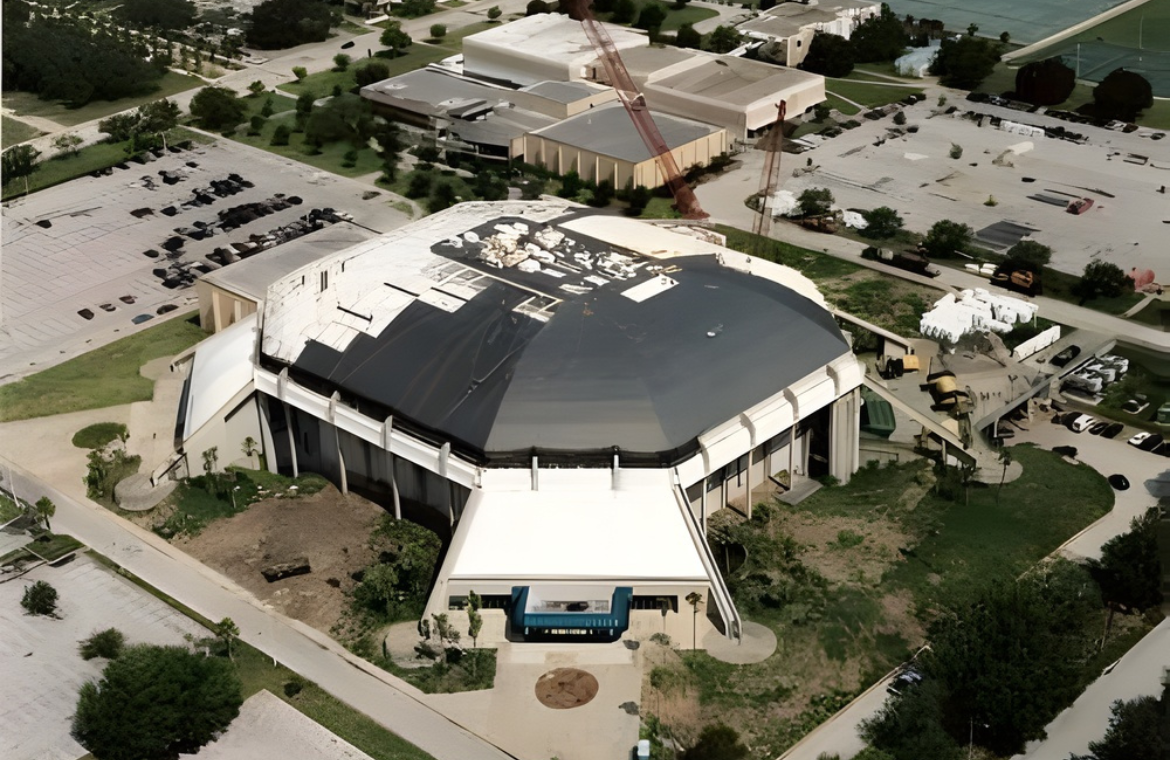
Why Installation Matters
Choosing the right steel roof deck is only part of the equation—proper installation is what ensures the system performs as intended. Even high-quality materials can fail if they’re not installed correctly, leading to costly delays, safety concerns, or premature wear. By following proven best practices, contractors can keep projects on schedule and deliver structures that last for decades.
Planning Ahead
Successful installation begins before materials arrive on-site. Shop drawings provided by the manufacturer outline the layout, fastening requirements, and lap details for each section of decking. Reviewing these documents carefully helps installers understand where every piece belongs and minimizes mistakes in the field. Coordinating with engineers and suppliers early also ensures that deliveries align with the project timeline.
Best Practices for Installation
- Material Handling – Proper handling starts the moment the steel roof deck arrives on-site. Bundles should be stored off the ground and kept dry to prevent bending or corrosion. When moving materials, use forklifts or spreader bars to lift entire bundles evenly. Dragging or lifting improperly can distort the sheets, making installation more difficult and reducing the overall quality of the finished deck.
- Fastening – Secure fastening is essential for safety and performance. Always follow the fastening pattern outlined in the shop drawings, whether that involves welding, screws, or mechanical fasteners. Missing or skipping connections may not be visible right away, but they can weaken the deck and create long-term issues once roofing or concrete is added. Consistent fastening ensures the system meets both code requirements and engineering expectations.
- End Laps and Side Laps – Overlapping sheets correctly provides strength and stability. End laps should meet the specified overlap length on supports, and side laps must be properly nested or button-punched to prevent separation. Misaligned laps can cause the deck to shift during installation or when concrete is poured, leading to structural concerns and costly rework.
- Safety First – Steel decking can pose hazards if crews are not careful. Workers should use fall protection whenever operating at height, wear gloves to protect against sharp edges, and maintain clean walking surfaces to prevent slips. Following OSHA guidelines not only protects workers but also minimizes downtime caused by accidents, keeping the project on track.
- Inspection – A thorough inspection before moving to the next construction phase is critical. Supervisors should confirm that the installed deck matches the shop drawings and that all fastening patterns and lap requirements have been met. Addressing small issues immediately avoids larger problems later when the deck is concealed under roofing or concrete. Proper inspection ensures the deck will perform as intended for decades.
Working With the Right Partner
Contractors who work with experienced suppliers like Marlyn Steel Decks gain the advantage of clear documentation, responsive support, and dependable deliveries. Having a partner that understands the details of steel roof deck installation makes it easier to avoid problems and keep the project running smoothly.
Final Thoughts
A properly installed steel roof deck provides the durability, fire resistance, and efficiency that commercial projects demand. By planning carefully, following best practices, and working with trusted suppliers such as Marlyn Steel Decks, builders can be confident their projects will meet both safety standards and performance expectations. Contact Marlyn today to learn more about installation guidelines and product options for your next build.
Leave A Comment