- Hablamos Español

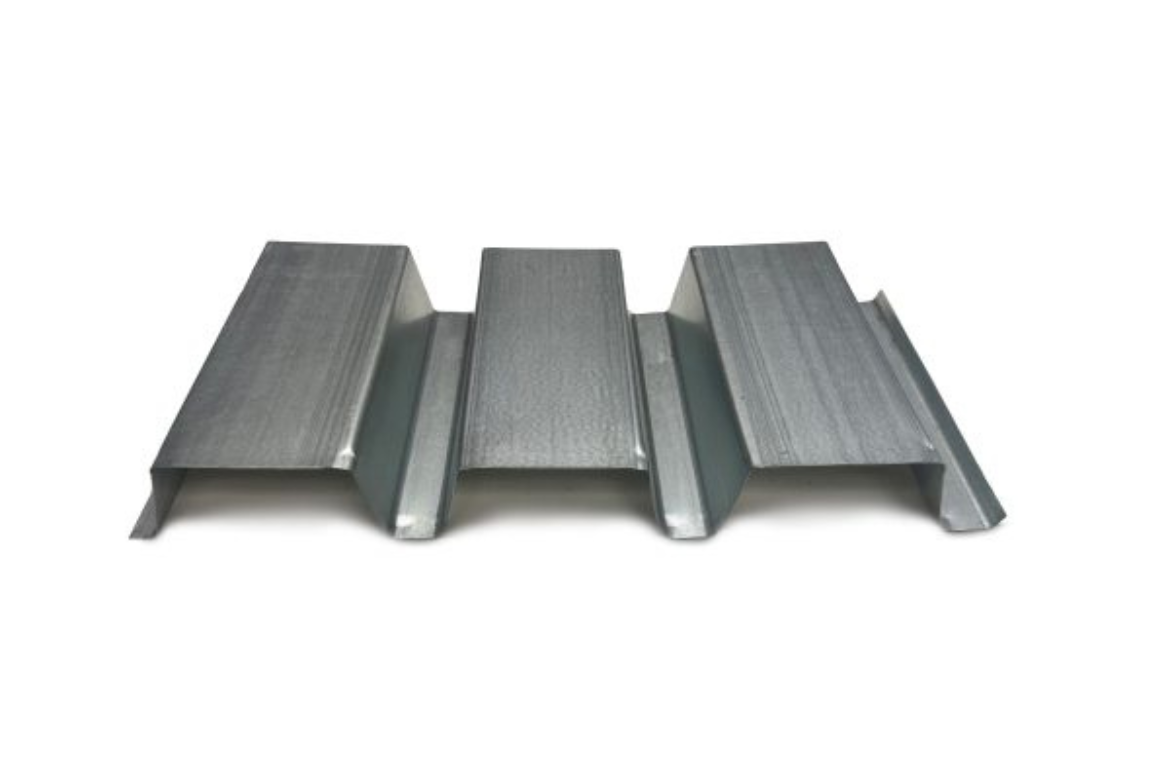
Steel roof deck plays a critical role in modern industrial construction. It provides structural support, serves as a base for roofing systems, and contributes to the long-term durability of large-scale facilities. Because industrial buildings often require wide spans, heavy load capacity, and resilience against harsh conditions, steel roof deck has become a preferred solution for engineers, architects, and builders alike.
Below are five of the most common and effective applications for steel roof deck in industrial projects, along with insight into why it continues to be a trusted choice across multiple industries.
1. Warehouses and Distribution Centers
Warehouses and distribution centers rely heavily on open floor plans and expansive roof systems. Steel roof deck is well-suited for these structures because it supports long spans while maintaining structural integrity.
A steel roof deck provides a stable platform for insulation, vapor barriers, and roofing membranes, all of which are essential for protecting stored goods. In climate-controlled warehouses, the decking system also supports energy-efficient roofing assemblies that help regulate interior temperatures and reduce operational costs.
In many warehouse projects, engineers select an n deck profile due to its strength and efficiency. Its ribbed design enhances load distribution, making it ideal for large industrial spaces where durability is a priority.
2. Manufacturing and Production Facilities
Manufacturing plants often house heavy machinery, overhead cranes, and complex mechanical systems. The roof structure must accommodate both static and dynamic loads, as well as vibrations caused by ongoing operations.
Steel roof deck offers the strength required for these demanding environments. A steel roof deck can support mechanical units, ductwork, lighting systems, and other rooftop equipment without compromising structural performance. Additionally, the decking acts as a diaphragm, helping stabilize the building against wind and seismic forces.
In facilities where durability and longevity are critical, an n deck configuration is frequently chosen to meet structural requirements while maintaining cost efficiency.
3. Power Plants and Utility Buildings
Power plants, water treatment facilities, and utility buildings are designed for long service lives and exposure to extreme conditions. These facilities often operate continuously, making reliability a top concern.
Steel roof deck is commonly used in these applications because it resists corrosion, fire, and environmental stress when properly coated and installed. A steel roof deck provides a non-combustible roofing base, which is especially important in facilities that generate heat or store flammable materials.
The ability of metal decking to integrate with insulation systems and protective membranes also makes it suitable for buildings exposed to temperature extremes, moisture, and chemical exposure.
4. Transportation and Logistics Facilities
Transportation hubs such as maintenance garages, freight terminals, and logistics centers require roof systems that can span wide areas without interior columns. Steel roof deck allows for these open layouts while maintaining structural strength.
In these facilities, roof decks must support lighting systems, ventilation equipment, and sometimes solar installations. A steel roof deck offers the load-bearing capacity needed to support these additions without requiring extensive structural reinforcement.
For projects that demand efficiency and speed of construction, n deck systems are often selected due to their ease of installation and compatibility with a wide range of roofing assemblies.
5. Large-Scale Commercial and Mixed-Use Industrial Buildings
Some industrial projects blur the line between commercial and industrial use, such as data centers, research facilities, and large mixed-use developments. These buildings often require advanced roofing systems that support both operational needs and long-term flexibility.
Steel roof deck provides a versatile foundation for these projects. A steel roof deck supports advanced insulation systems, rooftop technology, and future upgrades without requiring major structural changes. This adaptability makes it an attractive option for facilities designed to evolve over time.
The consistent performance of metal decking systems, including n deck profiles, helps ensure these buildings can accommodate changing equipment loads and design requirements well into the future.
Why Steel Roof Deck Is a Smart Industrial Choice
Across all industrial applications, steel roof deck offers several key advantages:
- High load-bearing capacity for heavy equipment and rooftop systems
- Compatibility with various roofing assemblies and insulation systems
- Long-term durability in demanding environments
- Fire resistance and improved structural stability
- Efficient installation for large-scale projects
Because of these benefits, steel roof deck continues to be a cornerstone of industrial construction. Whether used in warehouses, manufacturing plants, or utility facilities, it provides the strength and reliability required for complex projects.
Choosing the right roofing components is essential for the success of any industrial building. Steel roof deck delivers proven performance across a wide range of applications, making it a trusted solution for engineers and builders alike. From expansive warehouses to specialized industrial facilities, the versatility of steel roof deck systems ensures they can meet both current demands and future challenges.
Understanding where and how these systems are used helps project teams make informed decisions that support durability, safety, and long-term value.
Leave A Comment