- Hablamos Español

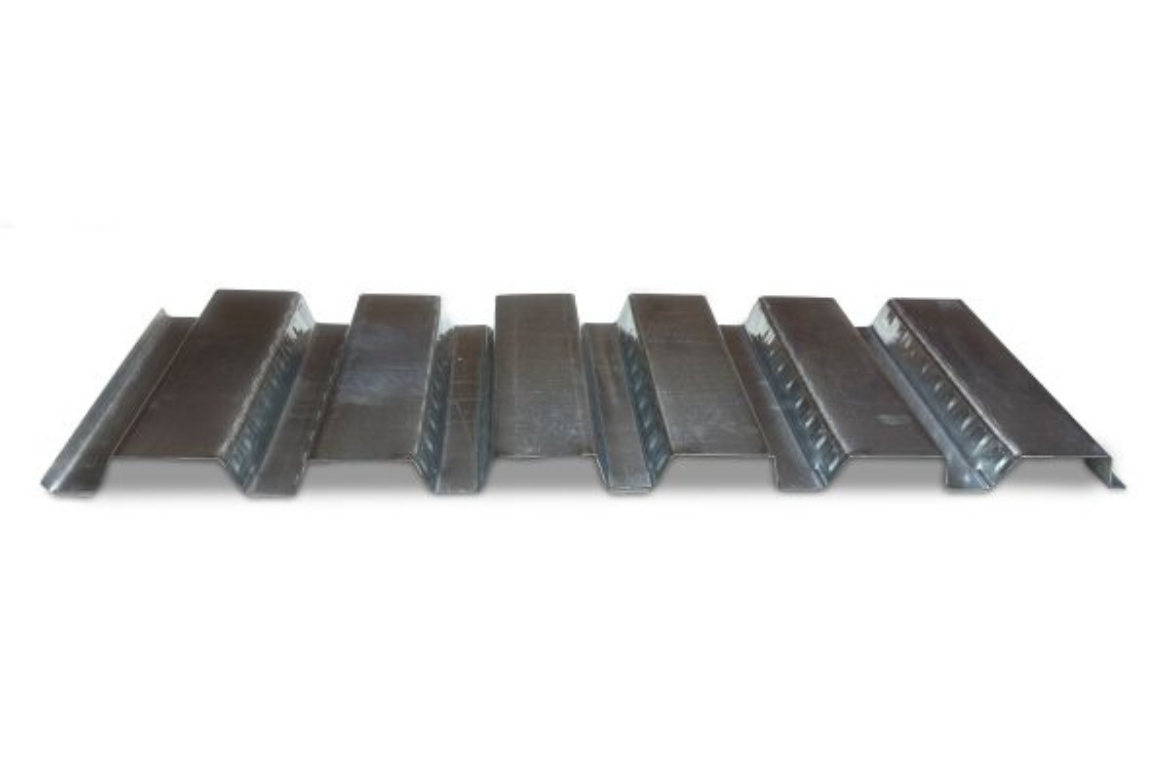
Composite Steel Deck vs. Non-Composite Deck: How Each System Functions
When people ask me about the difference between composite and non-composite decks, I usually explain that the real distinction isn’t how the deck looks—it’s how the system functions once the concrete cures. Both systems have a purpose, but they are designed to do very different things over the life of a building.
Understanding that difference early helps avoid confusion during design, ordering, and installation. Whether the deck is used in a floor system or coordinated with composite steel deck assemblies elsewhere in the structure, function always comes first.
What Composite Steel Deck Is Designed to Do
Composite steel deck is engineered to work together with concrete as part of the finished structural system. Once concrete is poured and cured, the deck and slab act as a single unit that carries the load.
This happens because a composite deck includes formed shapes or embossments that allow the concrete to bond directly to the steel. As the concrete cures, it locks into those shapes, creating composite action.
Instead of the steel and concrete acting independently, they share the load as one structural system.
Why Composite Action Changes Everything
Composite action is what separates composite decks from every other deck type. Once the slab cures, the deck is no longer just supporting material—it becomes part of the structure itself.
That means:
- The deck contributes to long-term load capacity
- The slab and deck are engineered together
- Removing the deck would compromise the system
This is why the composite deck must be specified correctly and installed as designed.
How Non-Composite Deck Functions
Non-composite deck, often referred to as form deck, serves a much simpler role. Its primary job is to support the weight of wet concrete during the pour.
Once the concrete cures, the deck is no longer acting structurally with the slab. The concrete alone carries the load, not the steel deck.
In theory, a non-composite deck could be removed after curing. In practice, it’s usually left in place, but it does not provide composite action or long-term structural contribution.
Key Functional Differences Between the Two Systems
Although composite and non-composite decks may look similar on site, their behavior after construction is very different.
The main differences include:
- Composite deck bonds with concrete and shares the load
- Non-composite deck acts only as a form
- Composite deck remains structural after curing
- A non-composite deck does not contribute to slab strength
These distinctions affect how engineers design the system and how contractors install it.
Why Load Tables Are Not Interchangeable
One mistake I see is assuming the same load tables apply to both systems. They don’t.
Composite load tables account for:
- Concrete thickness
- Concrete type
- Composite interaction between steel and slab
Non-composite load tables focus on:
- Supporting wet concrete
- Construction loads
- Span limits before curing
Using the wrong assumptions can lead to improper deck selection.
This distinction is critical because load tables are based on how the deck is expected to behave over time, not just during installation. Composite systems are evaluated as finished structural assemblies, while non-composite systems are evaluated only for temporary construction conditions. When those assumptions get mixed up, the deck may meet requirements on paper but fail to perform as intended once the concrete cures and the building is in use.
Where Composite Deck Is Commonly Used
Composite deck is typically used in floor systems where long-term structural performance is required. This is common in multi-story buildings where each floor relies on the slab below it.
Once installed and cured, the deck becomes part of the structural system supporting the building.
Where Non-Composite Deck Is Often Used
A non-composite deck is commonly used when the deck is only needed as a temporary form. In these cases, the slab is designed to carry loads independently once cured.
This approach may be specified when a composite action isn’t required or when the design intent calls for a different structural solution.
Why Design Intent Matters
The most important thing to understand is that composite and non-composite decks are not interchangeable. Even if the profiles look similar, the systems function very differently.
Using the wrong deck type can lead to:
- Structural concerns
- Failed inspections
- Redesigns
- Costly delays
Confirming how the deck is expected to function before ordering helps prevent those issues.
Matching the Deck to the System
Steel deck should always be selected based on what it’s expected to do after construction, not just during installation. Composite steel deck becomes part of the structure, while a non-composite deck does not.
Understanding that difference helps ensure the system performs as designed.
Whether the project involves floor systems or coordination with roof decks elsewhere in the structure, knowing how each deck type functions helps align material selection with engineering intent. Choosing the right deck for the right system ensures performance, compliance, and long-term reliability when roof decks and floor systems come together in the same building.
Leave A Comment