- Hablamos Español

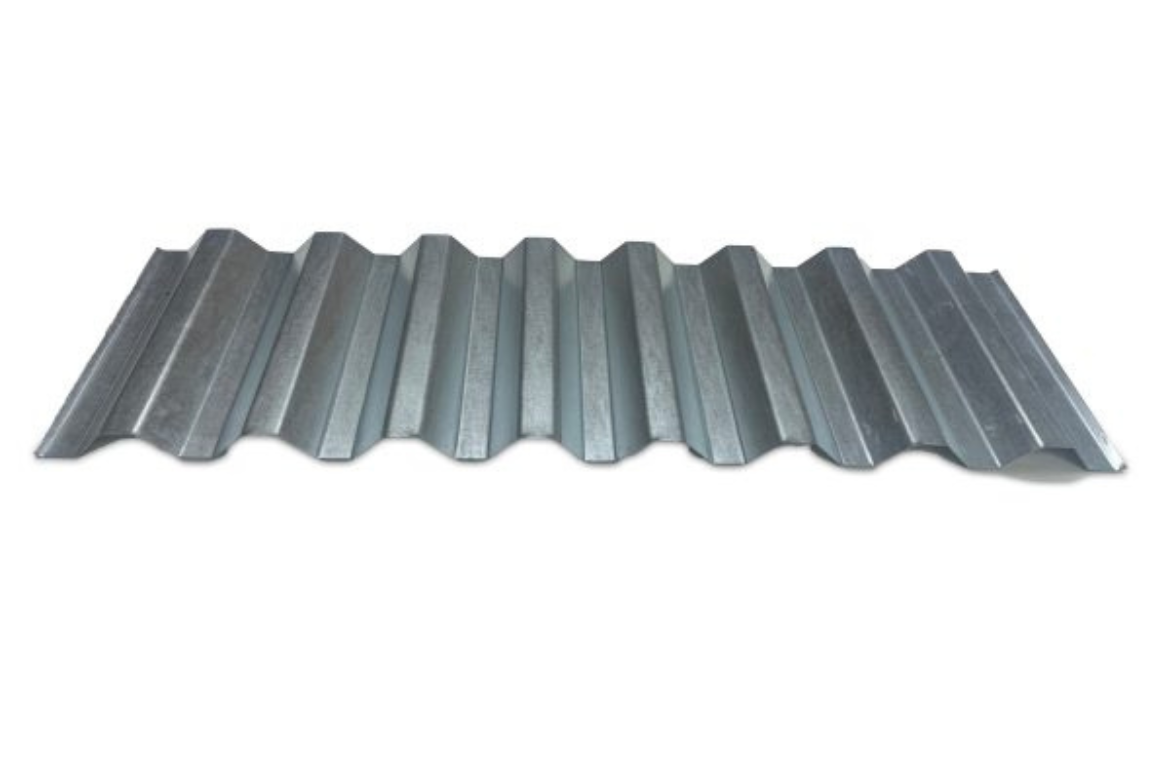
When choosing the right steel deck for a project, the profile and gauge matter — but so does the coating. Whether you are working with a composite steel deck or a non-composite floor deck, the finish you choose can affect long-term performance, installation efficiency, maintenance needs, and overall project value.
Two of the most common coating options are galvanized and painted steel deck. Both can be effective, but they serve different purposes. Understanding when to use each one can help you make a smarter decision for your building, budget, and environment.
What Is Steel Floor Decking?
Steel floor decking is a corrugated metal deck system used to support concrete slabs in building construction. It provides a strong, efficient base for floors and helps create a durable structural system.
There are two primary types of steel floor decking:
Composite Steel Deck
A composite steel deck is designed to bond with concrete. The deck has embossments or patterns in the steel that allow it to mechanically connect with the concrete slab after the concrete cures.
This creates a combined steel-and-concrete floor system, where both materials work together for strength. Composite deck is commonly used in multi-story buildings, commercial structures, office buildings, schools, hospitals, and other projects where structural floor performance is important.
Because a composite steel deck becomes part of the structural floor system, coating selection can matter for both protection and long-term performance.
Form Deck
Form deck, sometimes called non-composite floor deck, is used as a stay-in-place form for poured concrete. Unlike composite deck, it is not designed to bond structurally with the concrete.
Instead, form deck supports the wet concrete during placement and remains in place after the concrete cures. It is often used when the concrete slab is reinforced separately or when the steel deck’s main role is to serve as a permanent form.
Both composite and form deck can be valuable depending on the project, but they are not interchangeable. The right choice depends on structural requirements, engineering specifications, span conditions, and the intended use of the floor system.
Why Coating Choice Matters
The coating on a steel deck helps protect the material before, during, and after installation. It can also influence how well the deck performs in certain environments.
A good coating choice may help with:
- Corrosion resistance
- Jobsite durability
- Long-term maintenance
- Appearance during construction
- Project cost control
- Performance in humid or exposed conditions
Not every project needs the same level of protection. An interior floor deck in a dry, enclosed building may have different requirements than a deck exposed to moisture, weather, or corrosive conditions during construction.
Galvanized Steel Deck
Galvanized steel deck is coated with a layer of zinc to help protect the steel from corrosion. This is one of the most common finishes used for floor deck because it provides dependable protection in many construction environments.
Galvanized deck is often preferred when corrosion resistance is a priority. It is especially useful when the deck may be exposed to moisture during construction or when the finished building environment requires added protection.
For many projects, galvanized coating is a practical long-term investment. While it may cost more than painted deck upfront, it can provide better resistance to rust and deterioration over time.
When Galvanized Deck Makes Sense
Galvanized steel deck is often a good choice for projects where the deck may face:
- Moisture exposure during construction
- Humid environments
- Longer construction timelines
- Parking structures
- Schools, hospitals, or commercial buildings
- Areas where long-term corrosion resistance is important
In many cases, galvanized deck is specified because it provides a stronger level of protection without requiring additional coating after installation.
For a composite steel deck, galvanized coating is often selected when the project calls for added durability and long-term performance. Since composite deck works together with concrete as part of the floor system, protecting the steel component is an important consideration.
Painted Steel Deck
Painted steel deck typically has a shop-applied primer or paint finish. This coating is often intended to provide temporary protection during storage, handling, and construction.
Painted deck can be a cost-effective option for interior applications where the deck will not be exposed to moisture or corrosive environments. It may also be used when the underside of the deck will be visible and the project team wants a primed surface for future finishing.
However, painted deck generally does not provide the same level of corrosion protection as galvanized deck. For this reason, it is usually best suited for dry, enclosed conditions.
When Painted Deck Makes Sense
Painted floor deck may be a smart option for projects where:
- The building will be enclosed quickly
- The deck will remain in a dry interior environment
- Cost control is a major factor
- The project does not require high corrosion resistance
- The deck will receive additional finishing or fireproofing
- The underside of the deck may remain visible
Painted deck can be a practical solution, but it should be selected carefully. If the deck will be exposed to weather, moisture, or delays before enclosure, galvanized may be the better long-term choice.
Galvanized vs. Painted Floor Deck: Which Pays Off?
The best coating choice depends on the specific project. Galvanized deck usually offers better corrosion resistance and long-term protection, while painted deck can help reduce upfront costs in controlled interior environments.
The key is to look beyond the initial price. A lower-cost coating may not pay off if it leads to rust, jobsite concerns, or future maintenance issues. On the other hand, a higher-cost coating may not be necessary if the deck will remain dry and protected throughout its service life.
When comparing galvanized and painted floor deck, consider:
- Project location
- Exposure to moisture
- Construction schedule
- Building use
- Engineering specifications
- Long-term maintenance expectations
- Budget requirements
The right coating is the one that matches the conditions the deck will actually face.
Choosing the Right Deck and Finish
Before selecting a coating, it is important to confirm the type of steel deck your project requires. A composite steel deck and a form deck serve different purposes, so coating decisions should be made alongside structural requirements.
If the deck is part of a composite floor system, the engineer’s specifications will guide the deck profile, gauge, finish, and performance requirements. If the deck is being used as a stay-in-place form, the needs may be different.
Either way, choosing the right finish helps ensure the deck performs as expected from delivery through installation and throughout the life of the building.
Making the Right Coating Choice for Long-Term Value
Galvanized and painted steel deck both have their place in construction. Painted deck can be a cost-effective option for dry, interior applications, while galvanized deck offers added corrosion protection for projects where durability and exposure are bigger concerns.
Whether your project calls for composite steel deck or another type of floor deck, the coating choice should support the building’s environment, performance needs, and long-term value.
Making the right decision early can help prevent problems later — and that is where the right coating choice really pays off.
Leave A Comment