- Hablamos Español

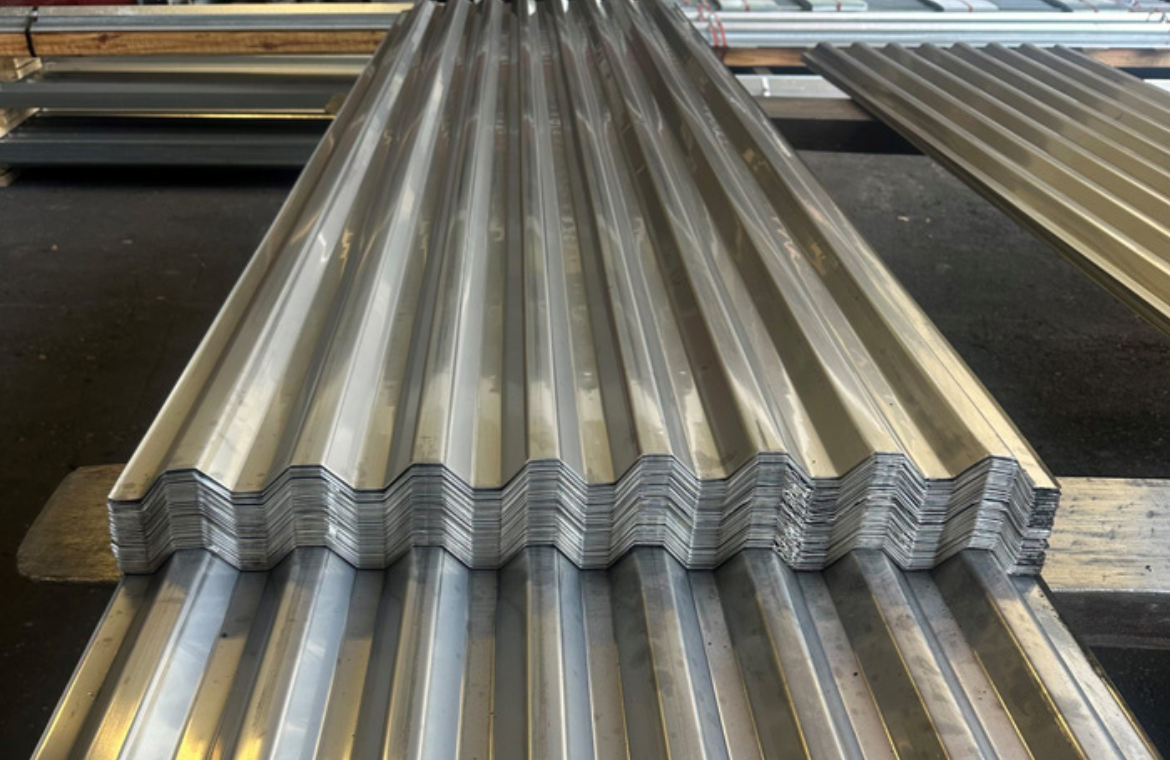
How Composite Steel Decks Work With Concrete Slabs
In commercial and industrial construction, floors need to be strong, reliable, and efficient to build. That is why composite deck systems are so commonly used in multi-story buildings, mezzanines, warehouses, schools, offices, and other structures that require dependable floor support.
A composite steel deck works together with a concrete slab to create a stronger finished floor system. Instead of acting as only a temporary form for wet concrete, the deck becomes part of the finished structure. Once the concrete cures, the deck and slab work together to support loads, distribute weight, and provide a durable walking or working surface.
Understanding how this system works can help contractors, builders, and property owners better appreciate why composite decking is such a practical choice for many construction projects.
What Is a Composite Steel Deck?
A composite steel deck is a corrugated metal panel designed to support freshly poured concrete and then bond with that concrete after it hardens. The deck has a ribbed profile that adds strength and helps the concrete lock into place.
During construction, the deck serves as a working platform and a form for the concrete. After the concrete cures, the steel and concrete act together as one system. This is what makes it “composite.” Each material brings its own strength to the structure.
Concrete performs very well in compression, meaning it can handle weight pushing down on it. Steel performs very well in tension, meaning it can resist pulling and bending forces. When combined properly, the two materials create a floor system that is stronger than either material would be on its own.
How the Deck and Concrete Work Together
The key to a composite floor system is the connection between the metal deck and the concrete slab. The shape of the deck is designed so the concrete can grip the ribs and embossments. As the concrete hardens, it bonds to the deck and helps create a unified structural system.
The metal deck supports the wet concrete while it is being placed. This reduces the need for separate temporary forms in many applications. Once the slab cures, the deck remains in place and continues to contribute to the floor’s strength.
This system is commonly used because it can save time during construction while still creating a strong, long-lasting floor. The deck is not removed after the concrete is poured. Instead, it becomes a permanent part of the structure.
Why Corrugation Matters
Composite decks are not flat sheets of metal. They are formed with ribs, grooves, or flutes that increase stiffness and help carry loads. The corrugated shape allows the deck to span between supports while using less material than a flat plate would require.
The ribbed design also helps the concrete and deck work together. As the concrete fills the profile of the deck, it creates a mechanical connection. This helps prevent the slab from separating from the deck under normal use.
Different projects may require different deck profiles, gauges, and depths depending on the span, load requirements, and engineering specifications. That is why it is important to select the right deck for the project instead of treating all decking products as the same.
The Role of Concrete in the System
Concrete provides mass, compression strength, fire resistance, and a finished floor surface. When poured over the deck, it fills the flutes and creates a slab that distributes loads across the structure.
The thickness of the concrete slab depends on the design requirements of the building. A thicker slab may be needed for heavier loads, longer spans, or specific fire ratings. Reinforcement may also be added depending on the project specifications.
In many cases, welded wire reinforcement, rebar, or fiber reinforcement may be used to help control cracking and improve slab performance. The exact reinforcement method should be determined by the project engineer.
Why Composite Decking Is Efficient
One major advantage of composite decking is construction efficiency. Because the deck acts as a form for the concrete, crews can often move faster than they would with traditional formwork. The deck can be installed over structural steel framing, fastened in place, and prepared for concrete placement.
This can help reduce labor, save time, and create a cleaner workflow on the job site. For multi-level buildings, this is especially valuable because each floor can be prepared in a sequence that supports the overall construction schedule.
Steel decks are also useful because they provide a stable platform for workers during the construction phase. Once properly installed and secured, the deck helps create a surface where crews can continue working before the final slab is complete.
Common Uses for Composite Steel Decks
Composite deck systems are used in many types of buildings. They are common in commercial, industrial, and institutional construction because they offer strength and efficiency.
You may see composite deck systems used in:
- Office buildings
- Schools and universities
- Hospitals and medical buildings
- Warehouses
- Retail buildings
- Parking structures
- Mezzanines
- Multi-story commercial spaces
- Mixed-use developments
These projects often need floor systems that can be built efficiently while still meeting structural requirements. Composite decking is often a practical solution because it combines the benefits of steel and concrete in one system.
Important Design Considerations
Although the concept is simple, composite deck systems must be properly designed. Several factors affect how the system performs, including deck gauge, deck depth, span length, concrete thickness, support spacing, and expected loads.
Engineers must also consider live loads and dead loads. Dead loads include the weight of the materials themselves, such as the deck and concrete. Live loads include people, equipment, furniture, storage, and other items that may be placed on the floor after construction.
Fire ratings, vibration control, deflection limits, and building code requirements may also influence the final design. This is why composite deck selection should always follow approved plans and engineering specifications.
Installation Basics
The installation process typically begins with placing the deck panels over structural supports. The panels are aligned, fastened, and often welded or mechanically attached according to the project requirements. Openings, edges, and penetrations must be handled carefully to maintain strength and safety.
After the deck is secured, crews prepare it for the concrete pour. This may include adding reinforcement, closure pieces, pour stops, or other accessories. Once everything is ready, concrete is placed over the deck and finished to the required surface.
Proper installation matters. If the deck is not fastened correctly, if supports are not adequate, or if the concrete is not placed properly, the finished system may not perform as intended. Working with experienced suppliers, installers, and engineers helps reduce these risks.
Why Product Quality Matters
Not all deck products are the same. The quality of the steel, the accuracy of the profile, and the consistency of manufacturing all affect the final result. A properly formed deck is easier to install and more likely to perform as expected.
Marlyn steel decks can be part of a dependable floor system when used according to the project’s structural requirements. The right product, combined with the right engineering and installation, helps create a slab system that is both strong and efficient.
Contractors should always make sure the deck they choose matches the specifications for the job. Using the wrong profile, gauge, or finish can cause delays, added costs, or performance concerns.
Benefits of Composite Steel Deck Systems
Composite deck systems offer several advantages for modern construction. They help reduce the need for temporary formwork, support efficient concrete placement, and create a strong finished floor.
Some of the main benefits include:
- Faster construction timelines
- Strong structural performance
- Reduced formwork needs
- Efficient use of materials
- Compatibility with structural steel framing
- Durable finished floor systems
- Useful performance in multi-story buildings
These benefits make composite decking a common choice for contractors who need both speed and strength on the job site.
Maintenance and Long-Term Performance
Once the concrete slab has cured and the building is complete, the deck remains protected beneath the slab. In many interior applications, the system requires little direct maintenance. However, the overall building environment still matters.
Moisture, exposure conditions, coatings, and building use can affect long-term performance. In areas where corrosion may be a concern, the correct finish or protective coating should be selected. Good planning before installation helps protect the floor system for years to come.
It is also important to avoid unauthorized changes after construction. Cutting large openings, adding heavy equipment, or changing the use of a floor area may affect the structural design. Any major modification should be reviewed by a qualified professional.
Choosing the Right Deck for the Job
Choosing the right composite deck starts with understanding the project. The type of building, load requirements, span conditions, and concrete slab design all matter. Contractors should review the plans carefully and work with suppliers who understand the needs of the project.
Steel decks are available in different profiles and gauges, so selecting the correct product is an important step. The right deck helps the installation go smoothly and supports the long-term performance of the concrete slab.
Marlyn steel decks offer options that can support a variety of commercial and industrial construction needs. When the deck is selected properly and installed according to the project plans, it helps the concrete slab perform as part of a stronger finished floor system.
A good supplier can also help answer product questions, provide availability information, and make sure the selected deck matches the project requirements.
Built to Support the Future
Composite steel decks and concrete slabs work together to create strong, efficient, and durable floor systems. The deck supports the concrete during placement and then becomes part of the finished structure after the slab cures. This combination allows builders to take advantage of the strengths of both materials.
For commercial and industrial construction, this system offers a practical balance of speed, strength, and long-term performance. With the right design, proper installation, and quality materials, a composite deck and concrete slab can provide a dependable foundation for many types of buildings.
Leave A Comment