- Hablamos Español

Uncategorized
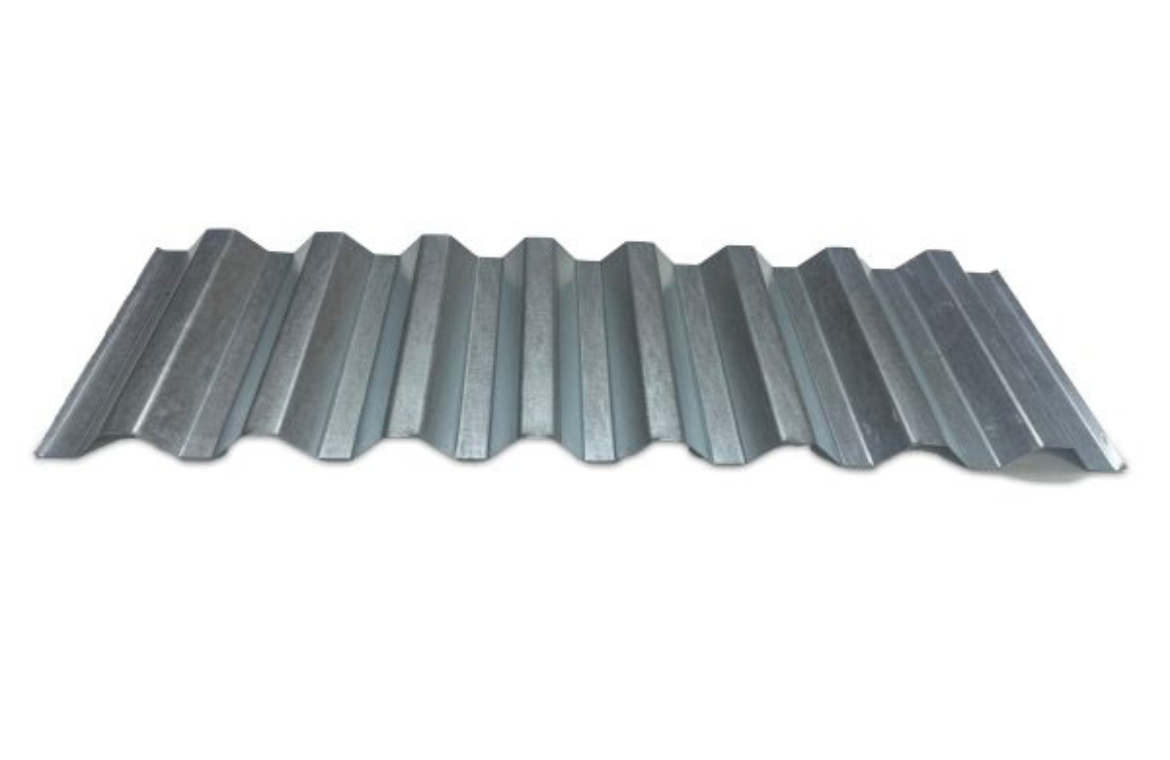
Galvanized or Painted Deck? Coating Choices That Pay Off
Choosing between galvanized and painted steel deck can affect cost, durability, corrosion resistance, and long-term performance. Learn how coating choices apply to composite steel deck and form deck so you can select the right floor deck finish for your project.
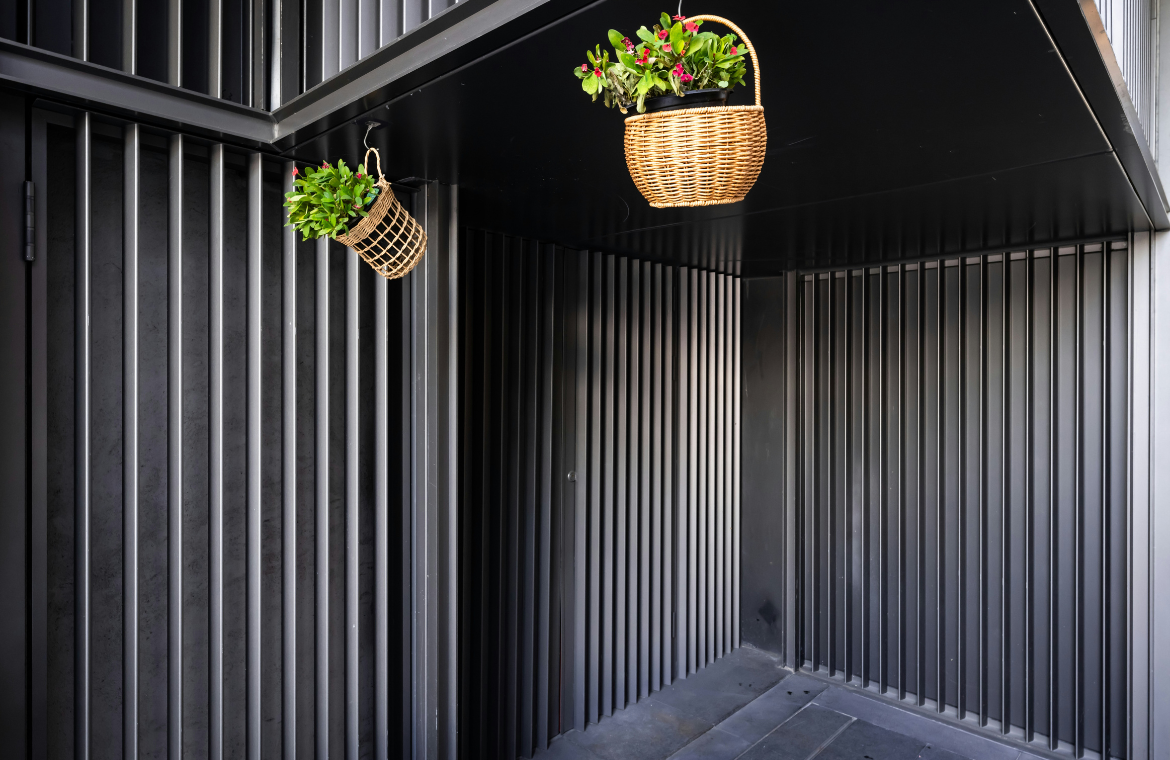
A Guide to Common Steel Deck Profiles: B Deck, N Deck, and Form Deck
B Deck, N Deck, and form deck each serve different purposes in commercial and industrial construction. This guide explains how these common steel deck profiles are used, how they differ, and when each option may be the right choice for a project.
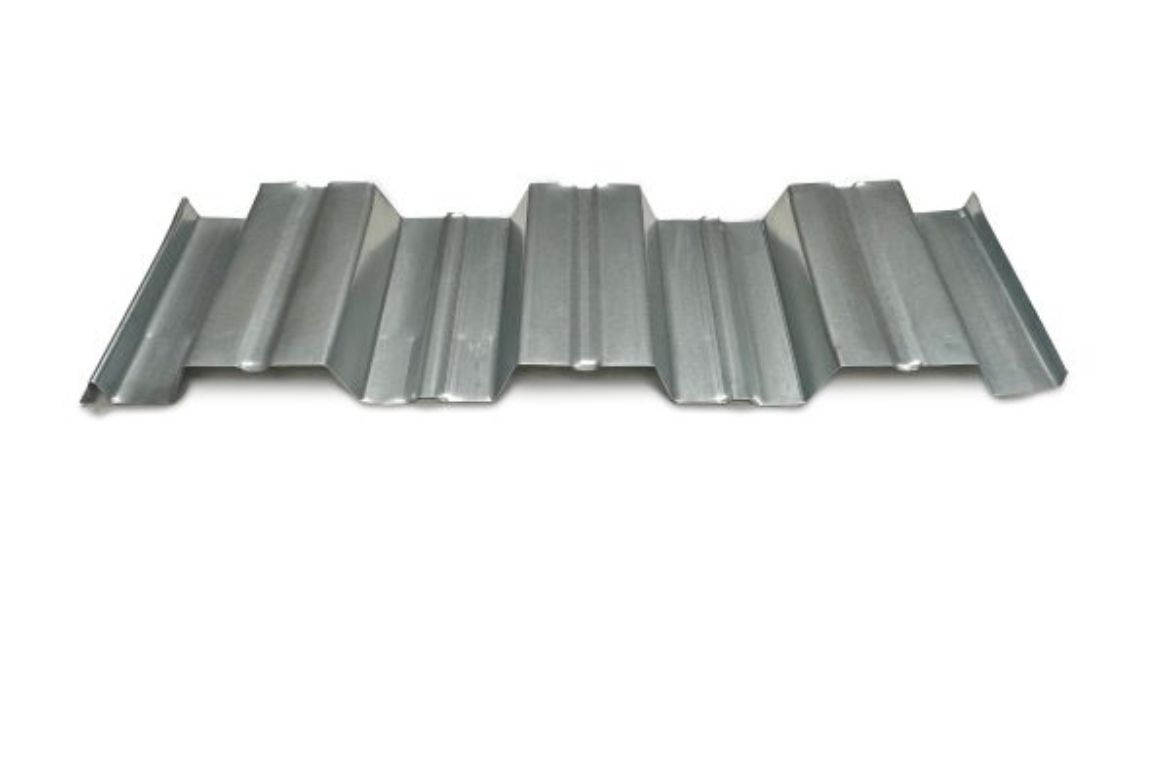
What Is Steel Deck — Roof vs. Composite Floor Explained
Steel deck is a structural steel panel used to support roofs or floors, but roof deck and composite floor deck serve very different purposes. This article explains the key differences between the two and how each type functions within a building.
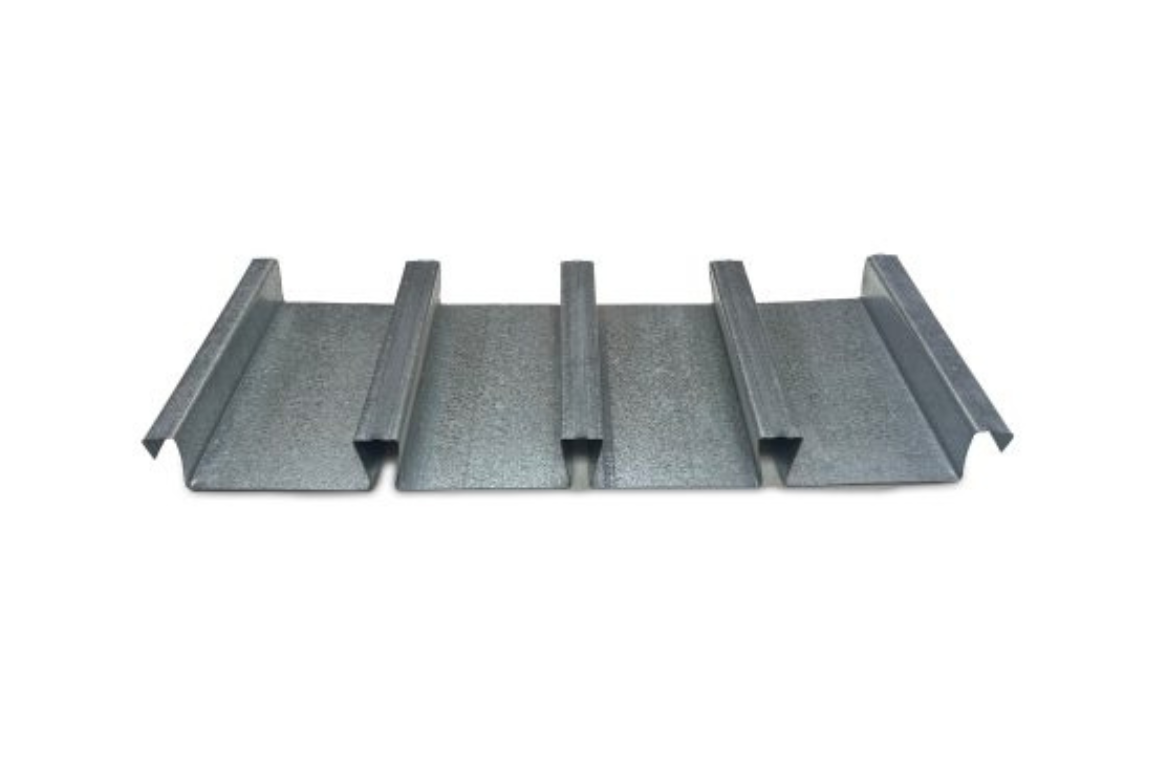
Architectural Aesthetics: Using Composite Steel Deck for Interior Ceilings
Composite steel deck is often chosen for its structural benefits, but it can also play an important role in architectural design. When left exposed, deck systems can add texture, rhythm, and an industrial finish to interior ceilings, helping commercial spaces feel both functional and visually intentional.
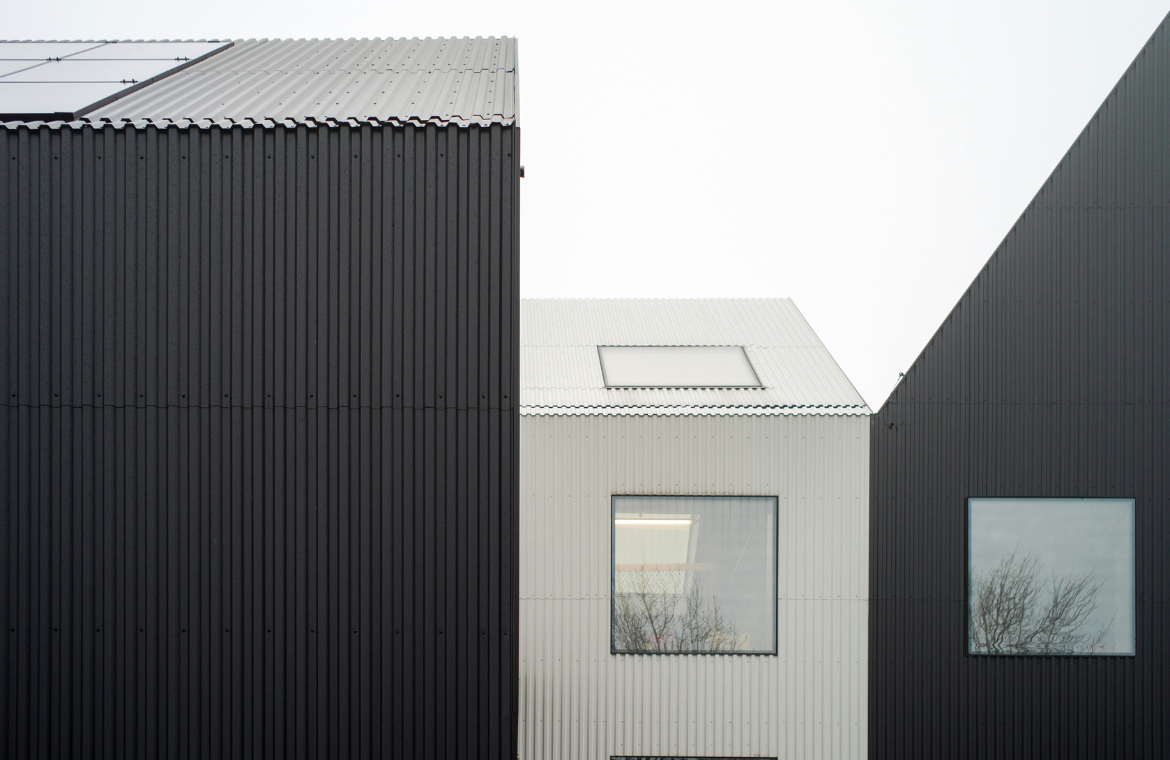
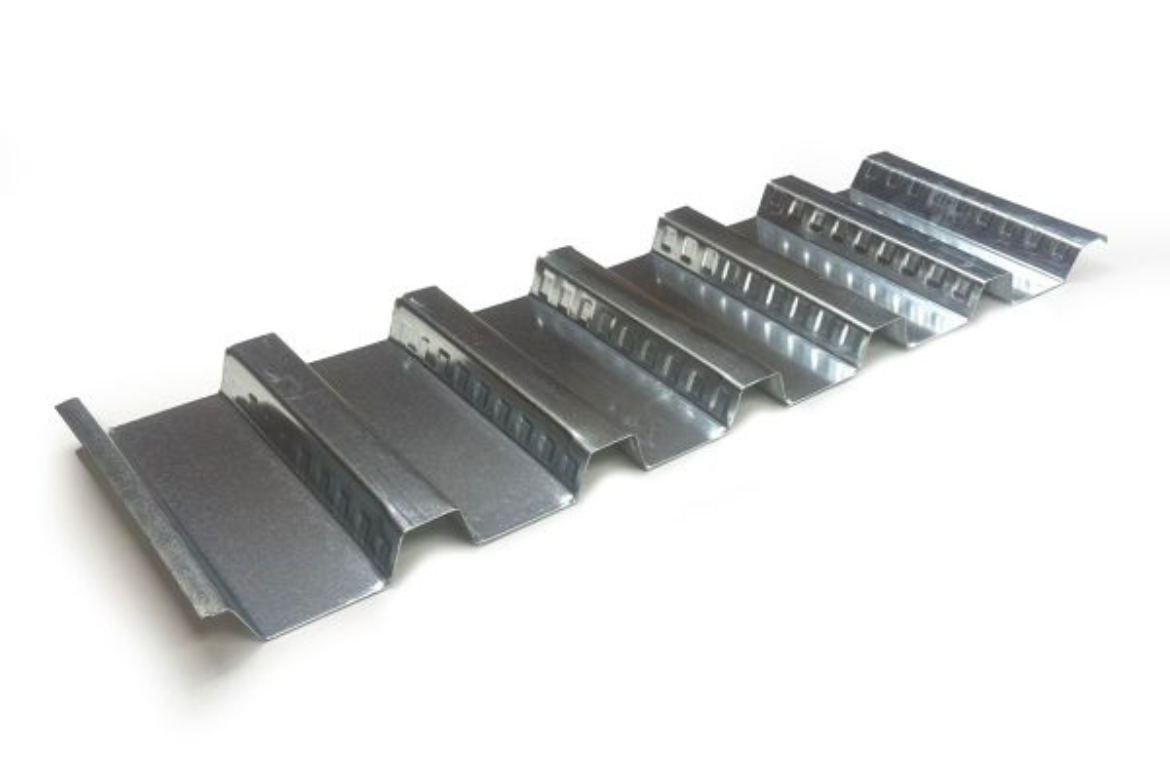
Form Deck Systems: Supporting Concrete Without Composite Action
Form deck systems play an important role in concrete construction by supporting wet concrete during the pour process. Unlike composite decking, form decks are not designed to become part of the structural system after the concrete cures. Instead, they remain in place as a permanent form while the concrete slab carries the structural load independently.
The Role of Steel Floor Decks in Multi-Story Construction
Steel floor decks play a key role in multi-story construction by supporting concrete slabs and creating a strong structural system between floors.
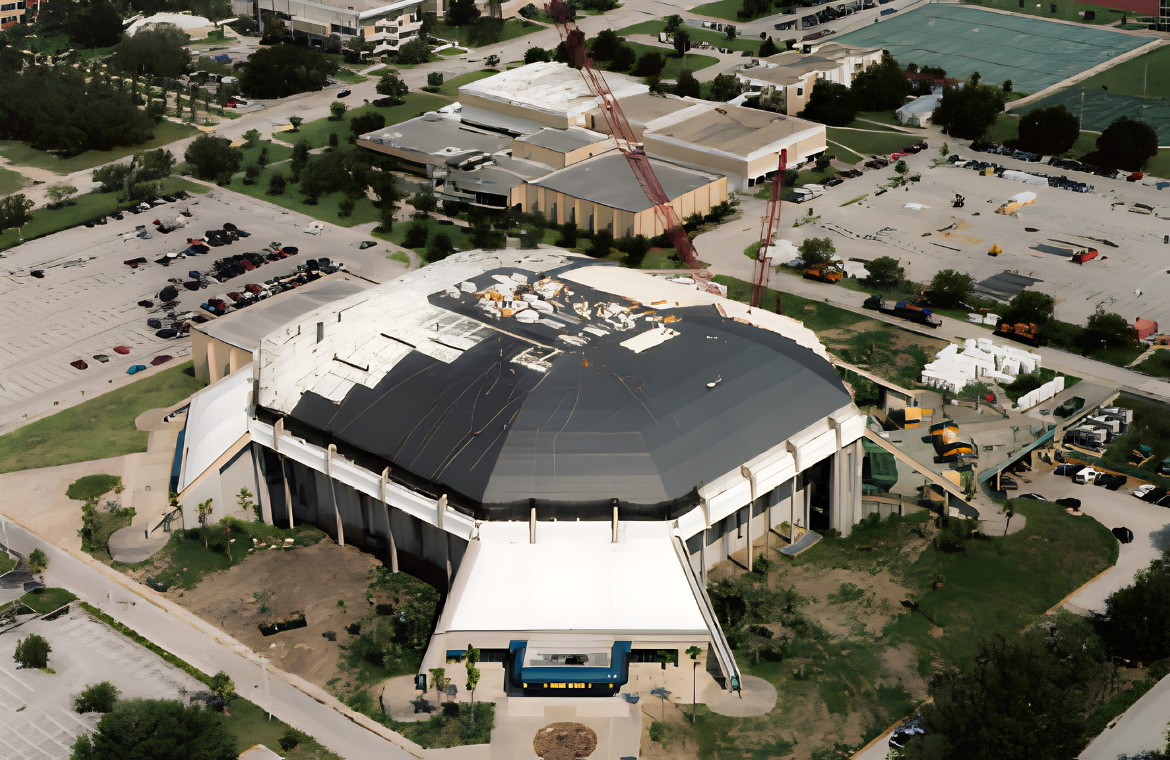
How Steel Roof Decks Are Integrated Into Commercial Roofing Systems
Discover how steel roof decks function as the structural foundation of commercial roofing systems. Learn why proper integration, fastening, and installation play a major role in long-term roof durability and performance.
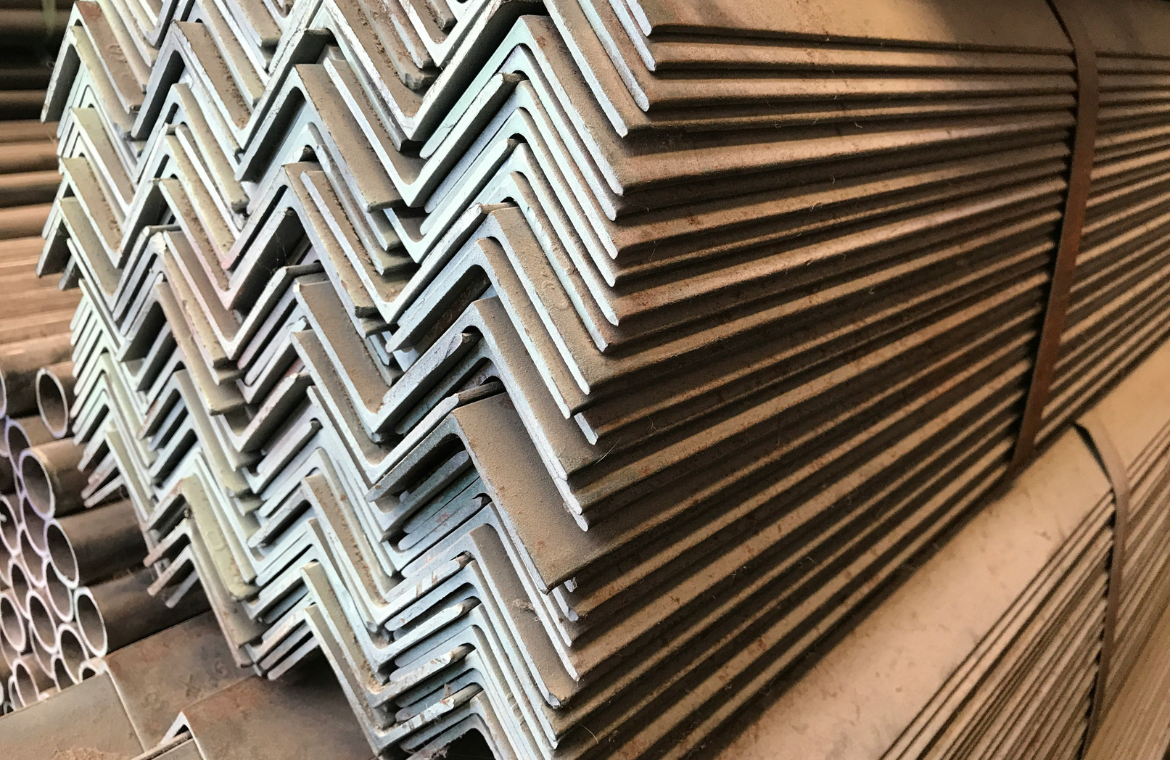
What Steel Deck Manufacturers Provide Beyond the Deck Itself
Steel deck manufacturers offer far more than just panels. From design guidance and accessories to technical support, they play a key role in ensuring the entire decking system performs as intended.
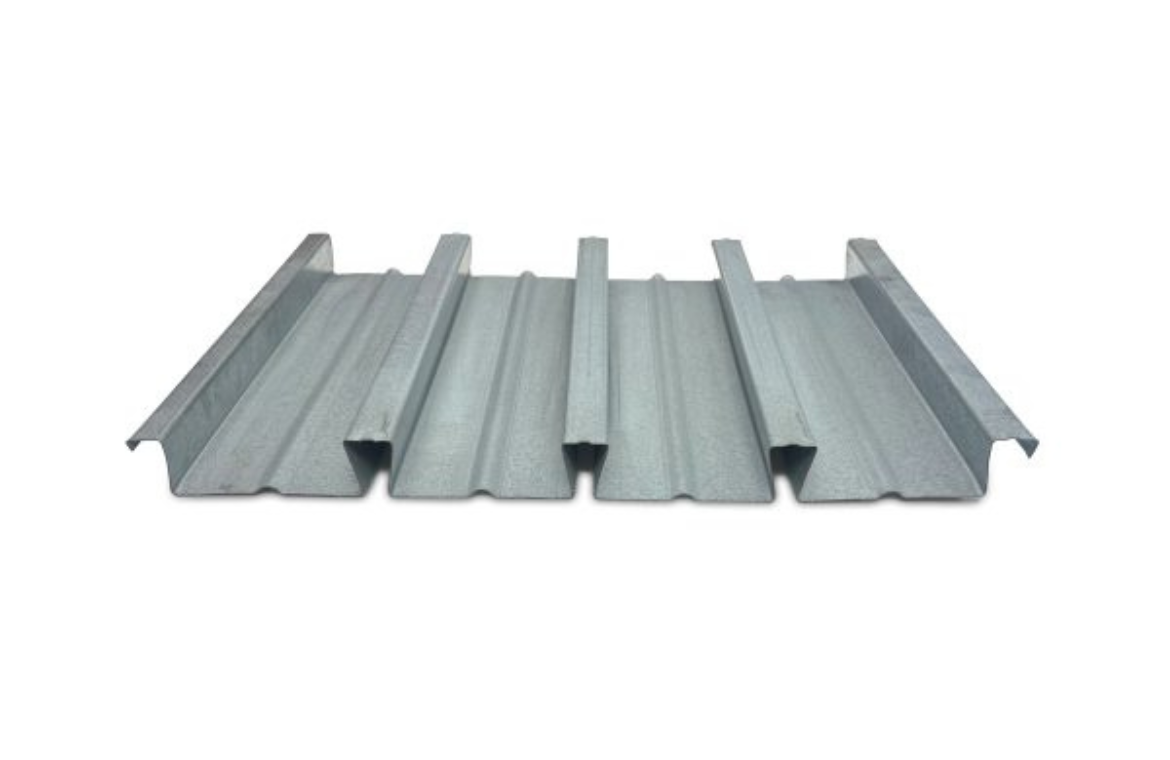
Dovetail Deck (Marcore): How Architectural Steel Deck Systems Are Used
While many associate dovetail decks with standard steel decking, Marcore Dovetail Deck systems stand out for their distinct structural performance and aesthetic appeal. Designed as a composite deck, Marcore offers both superior strength and an eye-catching profile, making it the ideal choice for projects where both performance and appearance matter.
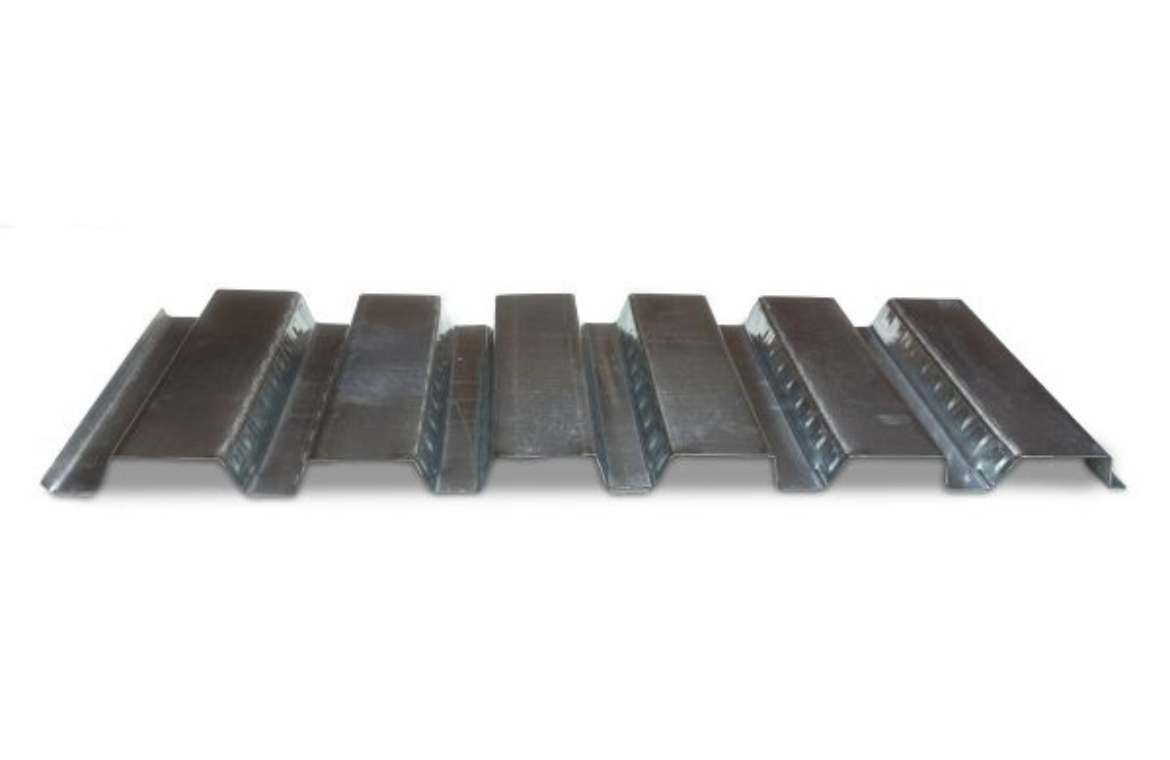
Composite Steel Deck vs. Non-Composite Deck
he key difference between composite and non-composite steel deck isn’t appearance—it’s how each system performs after the concrete cures. Understanding this distinction helps ensure the right deck is selected for the structure, preventing issues during design, ordering, and installation.
